Neuroscience
Driving innovative advances in neuroscience studies
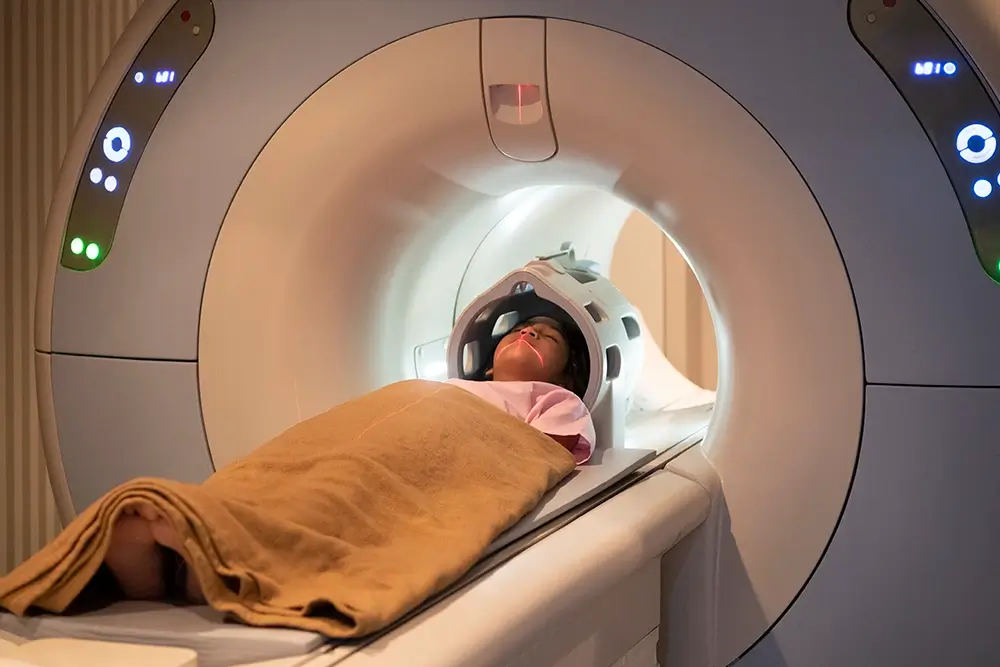
Increase the likelihood of seamless trial conduct with Fortrea. Apply a science-driven approach to neuroscience clinical trials.
Tailored technologies and solutions
Access 20+ years of therapeutic leadership and unique combination of science, digital technologies and data to enable the successful delivery of your neuroscience clinical trial.
A focus on patients
Apply our scientifically rigorous patient-centric strategy to reduce the participation burden and maximize the value of your neuroscience study.
Seamless collaboration
Optimize your clinical research with our strategic product development methods for advancing neuroscience therapies and precision medicines.
Together, exceptional research is possible
Site-CRO relationships
Fortrea’s strong, collaborative site relationships are at the heart of successful Alzheimer’s disease clinical trials. By collaborating closely with investigators, incorporating real world insights into protocol design, and maintaining consistent communication, Fortrea provides high quality delivery while supporting patients.
Patient Centricity
Patient centricity is core to our methodology. We engage and collaborate with patients and advocacy groups to drive optimally designed protocols and design patient materials to support recruitment.
Digital Health Innovations (DHI)
We integrate approaches that minimize the impact on Alzheimer’s disease patients’ lives, removing barriers to participation and increasing trial access, patient recruitment, engagement and retention.
The catalyst for your next breakthrough in neurotherapeutics
We help you manage complexity to keep your neuro development moving forward. Making gains in the dynamic landscape of neuroscience drug development requires flexibility to adapt to changing project requirements and drive efficiencies. Whether it’s establishing the right endpoints, finding the right sites or measuring complex neuro data, our industry-leading team applies years of experience in neurodegenerative and psychiatric disorders to design and implement clinical trials that can handle the inherent complexities of product development—from early phase through post-marketing and beyond.


Effective, patient-centric strategies
We help optimize protocols and increase the likelihood of your trial’s success. Neuroscience has a broad range of disorders including neurodegenerative, developmental, psychiatric, acute critical care, as well as special patient populations like elderly, rare spectrum or pediatric that are highly sensitive to risks from age- or mental-related challenges, noncompliance and psychological instability.
We use innovative approaches to recruit and retain these individuals, and we provide insightful methods for wet, tissue imaging and digital biomarker collection to support precision medicine and we combine this with our commitment to patient centricity through our real-world data and collaborations with patient advocacy groups. Reducing burden and driving retention.
Integrating innovative technology into your neuroscience trial
Digital health innovations and digital endpoints in neuroscience trials are improving data quality and promoting patient centricity, but increasing efficiency requires a comprehensive understanding of today’s rapidly evolving neuroscience digital health landscape.
We combine our established strategic collaborators with capabilities in neuro-specific clinical outcome assessment (COA), imaging and digital technology. We then apply our multifaceted neuroscience clinical experience to support your selection of the right neurological outcome measures, enable continuous rating surveillance to monitor the integrity of your endpoints and ultimately maximize the differentiation of your product.
Learn how our specialists are helping sponsors navigate common challenges and optimize their approach when implementing digital endpoints in neuroscience clinical trials in our Blog: Digital Endpoints in Neuroscience.

Applying neuroscience site perspectives on Alzheimer’s disease research
We incorporate site- and patient-centric strategies to reduce the burden of neuroscience clinical trials. By offering holistic strategies that integrate the unique needs of patients and families we can deliver 1.5–2x higher enrollment and 17% faster startup through 400+ specialized neurology sites.
Explore challenges in patient recruitment and retention, the role of caregivers and how digital tools and AI are transforming at-home data collection. Listen to our podcast to hear about our approach of close collaboration between CROs, sponsors, and research sites is key to advancing patient-centric trial design and improving outcomes.
Neuroscience experience that matters
In the last 5 years, we have supported:

Our top areas of neuroscience expertise
Together, exceptional research is possible.
-
Neurodegenerative
We offer patient-centric design, biomarker innovation and agile delivery in neurodegenerative trials, spanning:
- Multiple Sclerosis
- Alzheimer’s Disease
- Parkinson’s Disease
-
Neuromuscular
Our neuromuscular clinical trial experience includes:
- Duchenne muscular dystrophy (DMD)
- Amyotrophic lateral sclerosis (ALS)
-
Pain
We offer critical experience across key indications in pain trials:
- Chronic
- Acute
- Migraine
- Neuropathies
-
Rare neurological disorders
We’re advancing rare neurological research in:
- Fragile X syndrome (FXS)
- Mucopolysaccharidosis
- Muscular dystrophies
- Batten disease
Our experts
Delivering neuroscience leadership
An exceptional partnership starts with an experienced team. Browse the bios of our featured neuroscience team members.

Tanya Richardson
Strategy Head, Ophthalmology and Neuroscience
Tanya has over 28 years of experience with Fortrea (formerly Labcorp, Covance and Chiltern), including monitoring, global project management, delivery director oversight and strategic planning and growth. Her clinical research experience includes a broad range of therapeutic experience with over 18 years in ophthalmology. Tanya’s ocular experience covers front and back of the eye indications, inherited retinal and ocular rare diseases across phase I-IV and medical device studies as well as ocular cell and gene therapies.
Her extensive delivery background, coupled with her ocular experience supports both internal and external stakeholders in the strategic development of a reduced burden approach, as well as an efficient and successfully executed ocular trial.
Tanya is passionate about ensuring the priorities of a clinical trial are 1) to reduce the burden across all stakeholders 2) a realistic, common-sense approach and 3) at the end of the day, we all do what we do for the patients.
Tanya is based in the US.

Laurentiu Gutiu, MD
Executive Medical Director - TA Lead Neuroscience and Ophthalmology
Dr. Gutiu is a board-certified neurologist with more than 15 years of clinical experience in a hospital setting across a wide range of neurological and psychiatric indications. He spent 10 years in academia as Assistant Professor of Neurology and attended doctoral courses in neuropharmacology. His 28 years of clinical research experience includes roles as an investigator, medical monitor and medical leadership positions spanning Phase I-IV studies.
He has broad range of experience across product modalities, including biologics and cell and gene therapies as well as medical expertise in neuro and psychiatric diseases, including, but not limited to, neurodegenerative, pain, neuromuscular and demyelinating.
Based in Germany.

Marco Calabresi, MD, PhD
Senior Medical Director
Dr. Calabresi has more than 20 years of clinical experience and 16 years of industry experience with a strong track record of designing, conducting and reporting clinical studies in all phases of development in neuroscience. He has worked as a research physician and medical lead at CROs and major pharma companies across various neuroscience indications, including Acute (post-op) and Chronic (neuropathies: chemotherapy induced, diabetic peripheral, and post-herpetic) Pain, Multiple Sclerosis, Alzheimer’s Disease, Parkinson’s Disease, Spinal Cord Injury, Muscular Dystrophies, Mitochondrial Diseases and others across Phases I-IV.
Based in Siena, Italy.

Antoniya Todorova, MD, PhD
Medical Director
Dr. Todorova is a board-certified neurologist with over 15 years of clinical and research experience in neurodegenerative disorders and demyelinating diseases. She obtained her PhD degree with a thesis on Quality of life in patients with Parkinson’s disease and was involved in academic and clinical research. Dr. Todorova worked as a Clinical Research Fellow at King's College Hospital, London and during this period she was involved in academic research focused on non-motor symptoms and continuous drug treatment in Parkinson's disease. She contributed to 14 publications in international medical journals, as well as 16 abstracts/ oral presentations in medical conferences.
She has been an Investigator in more than 20 clinical drug trials in Parkinson’s Disease, Alzheimer disease, Multiple Sclerosis and Migraine.
Her pharmaceutical industry expertise is focused on the neurosciences across Phase I-IV of clinical development, mainly in Parkinson’s disease, Alzheimer’s disease and Multiple sclerosis.
Based in Brussels, Belgium.

Richard Gambie
Senior Delivery Director, Ophthalmology & Neuroscience
Richard has more than 27 years of industry experience from Pre-Clinical work in the Pharmaceutical sector to Data Management, CRA & Project Management, in multiple therapeutic areas, focusing on Ophthalmology over the last 8 years, joining Fortrea in 2000. Richard provides delivery leadership to both his clients and project teams at portfolio & study level.
Richard prides himself in building strong relationships with sponsors and sites, recognizing how reducing patient burden and supporting site needs can make Fortrea the CRO of choice, in competitive landscapes, getting new products to market by delivering studies quickly and with quality.
Richard is based in the UK.

Adeline Chng, PhD
Senior Delivery Director, Strategic Deliver & Growth
Dr. Chng has more than 18 years of drug development industry experience across broad indications including neuroscience.
She has extensive experience supporting small and medium sized biotech companies in Asia-Pac to develop their assets from early phase development to late clinical phases. With her project management skills, Dr. Chng is able to provide and advise operational strategy to Asia-Pac clients and help expand their drug development outside of the Asia-Pac region.
Her therapeutic knowledge encompasses neurodegenerative, rare neurology indications as well as psychiatry disease, with a particular focus on schizophrenia.

Abby Fuller, PhD
Senior Delivery Director, Strategic Delivery & Growth
Dr. Fuller has more than 23 years drug discovery and development experience across neuroscience, immunology and inflammation indications. Her 17 years clinical research experience across Phase I-III studies includes 14 years at Fortrea (formerly Labcorp and Covance), where she has supported development and implementation of Phase I and II clinical trials in patients with neurodegenerative diseases including Alzheimer’s disease. Dr. Fuller earned her Doctorate of Pharmacology from Northwestern Feinberg School of Medicine with a focus on Alzheimer’s drug discovery and development.

Diane Ostang
Delivery Director, Ophthalmology and Neuroscience
Diane Ostang, Delivery Director, has a background in Biomedical Engineering and brings over 22 years of industry experience across various therapeutic areas, with over 18 years as part of Fortrea team. She supports project teams at portfolio level, escalates priority issues, and ensures delivery oversight. Diane prides herself in building strong relationships with sponsors and sites, recognizing how reducing patient burden and supporting site needs can make our program the study of choice even in competitive landscapes.
Diane is based in US (ET).

Darby Thomas, PhD
Scientific Director, Cell & Gene Therapies
Darby Thomas, PhD, is the Scientific Director of Cell & Gene Therapies. She earned her PhD in Molecular Virology from Baylor College of Medicine, performed postdoctoral training at the University of Pennsylvania, followed by 17 years in industry prior to joining Fortrea (formerly Labcorp) in 2021.
Dr. Thomas has broad experience in adeno-associated virus (AAV) gene therapy with roles in CMC, discovery, translational development, and patient advocacy for several AAV-focused companies with an emphasis on rare neurological and metabolic diseases and ophthalmology. She also has translational experience developing plasmid-based gene therapies, lentiviruses, as well as gene-modified cell therapies for the treatment of rare skin disorders.
Dr. Thomas provides specialized scientific expertise providing leadership and guidance to integrated global teams, as well as internal and external consultation and training on cell and gene therapy programs.
Fortrea is a trusted, knowledgeable partner. The team is always willing to go above and beyond to meet study needs and deliverables. They have a good working relationship with our sites and a strong commitment to our trial and the patients on study.
Large Biotech
The team is always willing to go above and beyond
Insights
Get the latest updates from our neuroscience team

How AI is shaping pain clinical trials and managing placebo response rates
Read How AI is shaping pain clinical trials and managing placebo response rates
Rethinking EDSS assessments in Multiple Sclerosis (MS): Can technology solve rater training and variability challenges in MS?
Read Rethinking EDSS assessments in Multiple Sclerosis (MS): Can technology solve rater training and variability challenges in MS?
Wearables and AI in Parkinson’s trials: Enriching endpoints for accurate, holistic assessments
Read Wearables and AI in Parkinson’s trials: Enriching endpoints for accurate, holistic assessments
Digital endpoints in neuroscience: From breakthrough potential to breakthrough results
Read Digital endpoints in neuroscience: From breakthrough potential to breakthrough results
Three key insights from NeuPSIG 2025 that are reshaping chronic pain research
Read Three key insights from NeuPSIG 2025 that are reshaping chronic pain research
Smarter, faster, better: How AI is reshaping neuroscience clinical trials
How can neuroscience clinical trial sponsors use AI to reduce complexity, accelerate timelines and lower costs in a high-risk, delay-prone research environment?
Download White Paper
Cortex Conversations: Insights in Neuroscience
Listen to Cortex Conversations: Insights in Neuroscience
Five breakthrough moments from AAIC 2025 that are reshaping Alzheimer's research
Read Five breakthrough moments from AAIC 2025 that are reshaping Alzheimer's research
Overcoming challenges in a complex Phase IIb pain clinical trial
How can a CRO accelerate recruitment and improve retention in pain studies with complex measurement challenges?
Download Case Study
Driving patient recruitment and retention in a complex pain clinical trial
In a challenging Phase 11b pain trial, Fortrea faced patient recruitment and retention challenges: high potential for non-compliant participants, subjective pain and more.
Download Case Study
Unlocking neurodivergent participation: Nine ways to create patient-centric clinical trials
At Fortrea, we're dedicated to transforming this landscape by championing approaches that empower neurodivergent participants to fully engage in clinical research.
Read Unlocking neurodivergent participation: Nine ways to create patient-centric clinical trials
Phase I Alzheimer’s Disease
Applying a patient- and site-centric approach in an early Phase I Alzheimer’s Disease study
Download Case Study
Precision medicines for neurodegenerative disorders: optimizing clinical development
Precision medicine, a new paradigm of individualized treatment, is revolutionizing healthcare. This innovative approach utilizes lifestyle and environmental factors, molecular, cellular and image profiling, as well as genomic information to enable treatment and management of disease that is specialized and unique to a given patient.
Download White Paper
Elevate your neuromuscular clinical studies with Fortrea’s specialized expertise and comprehensive support
Download Article
Patient Centricity in Neurodegenerative diseases
Watch Patient Centricity in Neurodegenerative diseases
Enhancing endpoint protection in pain management clinical trials
Key considerations for endpoint protection in pain management clinical trials
Read Enhancing endpoint protection in pain management clinical trials
Parkinson’s disease: multiple ascending dose
Collaborative communication helped meet sponsor’s milestones and maintain patient safety
Download Case Study
Promoting patient and site centricity in neurodegenerative disease clinical trials
Download White Paper
Importance of patient perspectives in neurology clinical trials
Incorporating patient perspectives through interviews in neurology clinical trials
Neuroscience Frequently Asked Questions
Driving innovation in neuroscience clinical trials
-
Why are neuroscience clinical trials uniquely challenging compared to other therapeutic areas?
Neuroscience trials in conditions such as Alzheimer's disease, Parkinson's disease and Multiple Sclerosis, tend to carry higher scientific and operational risk than many other therapeutic areas. Disease heterogeneity, diagnostic uncertainty and variable progression rates complicate patient selection and endpoint sensitivity. Neurodegenerative diseases, with their slow progression, often necessitate longer and larger trials. For sponsors, this means early investment in translational science, biomarker validation, and patient stratification strategies is essential to reducing downstream Phase III risk.
-
How important are biomarkers in neuroscience drug development?
Biomarkers have become central to regulatory credibility and competitive differentiation. In diseases such as Alzheimer's disease, regulators increasingly expect biological confirmation of pathology alongside clinical diagnosis. Biomarkers can demonstrate target engagement, confirm mechanism, enrich patient populations, and potentially support disease-modifying claims. For sponsors, a biomarker strategy should not be an afterthought added in Phase III, but rather an integrated component that begins in preclinical development and extends through pivotal trials. Robust translational continuity can materially improve the probability of technical and regulatory success.
-
How should sponsors approach endpoint selection?
Endpoint selection in neuroscience requires careful balancing of clinical relevance, sensitivity to change, and regulatory acceptance. For example, trials in Alzheimer's disease often rely on cognitive and functional composite scales, while studies in Parkinson's disease emphasize motor rating scales. Sponsors must ensure endpoints are capable of detecting meaningful change over the study duration and are interpretable by regulators, clinicians, and payers. Digital endpoints and real-world functioning measures offer promise but must be validated rigorously before use in pivotal trials.
-
What operational challenges are common in neuroscience trials?
Operational complexity is often greater in neuroscience studies than in other therapeutic areas. Recruitment may be slow due to strict inclusion criteria, the need for caregiver participation in dementia trials, or requirements for advanced imaging infrastructure. In Alzheimer's disease, for example, amyloid confirmation can limit eligible sites and participants. Long study durations increase the risk of attrition and protocol deviations. Sponsors benefit from early feasibility assessments, geographic diversity planning, and patient-centric design elements that reduce burden while maintaining scientific rigor.
-
How long and how large should neuroscience trials be?
Trial duration and sample size are driven by disease progression rate, endpoint sensitivity, and expected effect size. Neurodegenerative studies frequently extend over 12 to 24 months or longer, often requiring large global populations in Phase III. Sponsors must plan for longer timelines, and greater variability than average, and should consider adaptive or interim analyses where appropriate to improve capital efficiency without compromising statistical validity.
-
What safety considerations are particularly important in neuroscience drug development?
In amyloid-targeting therapies for Alzheimer's disease, imaging-based monitoring for amyloid-related imaging abnormalities has become standard. Sponsors must design comprehensive safety surveillance frameworks tailored to the mechanism of action and patient population, ensuring long-term exposure data are sufficient for regulatory evaluation.
-
How should sponsors think about differentiation in competitive neuroscience markets?
Competition is intensifying in indications such as Alzheimer's disease and Multiple Sclerosis. Differentiation may derive from superior efficacy magnitude, improved tolerability, more convenient administration or the ability to support disease-modifying or biomarker-driven claims. Sponsors must consider not only regulatory approval but also health technology assessment and payer requirements. Demonstrating real-world value and functional benefits is increasingly critical for market access.
-
When should sponsors integrate real-world evidence into their strategy?
Real-world evidence can support long-term safety characterization, contextualize efficacy findings, and potentially serve as external control data in select circumstances. Both the U.S. Food and Drug Administration (FDA) and the European Medicines Agency (EMA) have frameworks for engaging on real-world data use, though standards for quality and relevance remain high. Sponsors should design real-world data strategies early, ensuring data collection methods align with regulatory expectations and eventual reimbursement needs.
-
What are the most common causes of late-stage failure in neuroscience?
Late-stage failures frequently stem from insufficient target validation, underpowered proof-of-concept trials, inadequate patient selection and overreliance on surrogate measures that do not translate into clinically meaningful benefit. Neuroscience has historically experienced higher Phase III attrition rates than many other therapeutic areas. Sponsors who invest heavily in early translational rigor and confirm target engagement before scaling into pivotal trials materially improve their chances of success.
-
What strategic questions should sponsors answer before initiating Phase III?
Before launching a pivotal program, sponsors should have compelling evidence of target engagement and dose justification, confidence that observed effects are clinically meaningful, and alignment with regulators on endpoints and statistical design. They should understand competitive positioning, recruitment feasibility, and long-term safety requirements. In neuroscience drug development, early-stage shortcuts often translate into late-stage failures. A deliberate, integrated strategy spanning regulatory engagement, operational execution and payer foresight is the most reliable path to success.