Rare Neurological Disorders
Delivering specialized CRO experience in rare neurological disorders

Advance breakthroughs to help transform rare neurological research into new hope for patients.
Collaborative practices
We closely engage with sites and advocacy groups to build strong connections and thoughtfully design clinical trials that help advance rare neurological research.
Specialized patient recruitment
We understand the challenges of finding qualified study participants in a challenging space. We employ holistic strategies to integrate the unique needs of patients and families alongside the broader patient and clinical communities.
Multi-disciplinary experience
We work as an extension of your team, providing comprehensive support and attentive service with the agility of a specialized CRO and the capabilities of a global organization.

Navigate the complexities of rare neurological disorders
Developing therapies for rare neurological disorders requires addressing unique complexities. Although individual conditions may affect small patient populations, their impact on patients and families is profound.
Our neuroscience team at Fortrea combines innovative design, incorporates patient-centered practices and forges relationships with advocacy groups to help enroll and retain patients. We’re here to help you generate meaningful evidence that advances science and brings the hope of potential treatments to patients in need.
Clinical trials for muscular dystrophies
Rare muscular dystrophies often face a high demand for a limited pool of qualified patients and experienced sites in an already difficult-to-recruit space.
Learn how we successfully delivered results for an ultra-rare muscular dystrophy study.


Fragile X syndrome (FXS) clinical trials
With a wide variability in cognitive ability, behavioral symptoms and functional impairment, endpoint selection and patient stratification can be different in Fragile X syndrome clinical trials. Many commonly used outcome measures rely on caregiver-reported assessments, which can introduce subjectivity and placebo response risk.
Our team can help sponsors evaluate meaningful, measurable change with highly sensitive, validated endpoints and carefully controlled trial design.
Mucopolysaccharidosis clinical trials
This progressive, multisystem disease creates challenges in selecting endpoints that are both sensitive to change and clinically meaningful. We can support mucopolysaccharidosis clinical trials with thoughtful trial design, stratification and long-term follow-up, aligning with the goal of demonstrating durable benefit of your treatment.

Batten disease clinical trials
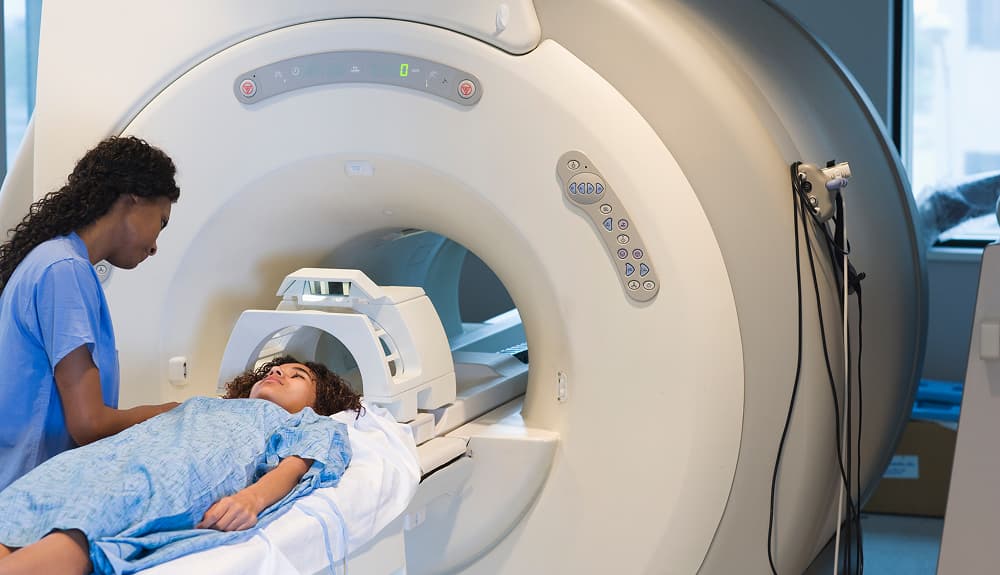
Many Batten disease clinical trial participants are children or adolescents, adding to the ethical and operational complexity of running an effective study.
We bring long-standing experience designing, planning and conducting pediatric programs and offer leading practices to efficiently enroll adolescents and young adult populations.
Frequently Asked Questions
-
What factors can influence the design of neuromuscular disease clinical trials?
Neuromuscular disease study design is influenced by factors such as disease rarity, progression rate, genetic variability and differences in symptom presentation among patients. Studies often require carefully selected endpoints, sensitive functional assessments, biomarkers and neuromuscular trial recruitment strategies to accommodate small patient populations. Long-term follow-up and ever-changing regulatory expectations may also shape neuromuscular study design, particularly for emerging therapies.
-
How can patient recruitment be improved for rare neurological studies?
Successful recruitment for rare neurological studies often begins with early planning and targeted patient identification strategies. Collaborating with specialized clinical sites, patient advocacy organizations, disease registries and referral networks can help identify eligible participants more efficiently. Patient-centric trial designs, reduced travel burden and the use of decentralized or hybrid study approaches may also improve enrollment and participation.
-
How do you manage global trial delivery for rare neurological disorders?
Global rare neurological studies require coordinated execution across multiple countries to reach sufficient patient populations. Key considerations include selecting experienced investigative sites, harmonizing study procedures, implementing consistent training for neurological assessments, managing international logistics, and navigating regional regulatory requirements. Standardized processes and close collaboration across study teams help maintain consistency and data quality throughout the trial.
-
How do you address regulatory considerations in rare neurological diseases?
Clinical development for rare neurological diseases often involves evolving regulatory pathways, orphan drug incentives and opportunities for accelerated development programs. Sponsors should consider early engagement with regulatory authorities, thoughtful endpoint selection, the use of natural history data, and robust evidence generation to support clinical and regulatory objectives. Study designs may also need to accommodate limited patient availability while meeting regulatory expectations.
-
How do you support data quality in complex neurological assessments?
High-quality neurological data depend on standardized assessment methods, comprehensive site training and consistent administration of clinical rating scales across investigators and study locations. Many studies also incorporate centralized review processes, digital data capture, imaging, biomarker analyses and ongoing quality monitoring to reduce variability. These measures help improve the reliability of efficacy and safety assessments throughout the clinical trial.
Explore our therapeutic depth across the neuroscience spectrum
Neuroscience
Driving innovative advances in neuroscience studies
Neurodegenerative Diseases
Providing a patient-first perspective to advance research.
Neuromuscular Diseases
Applying tailored approaches to optimize your neuromuscular clinical trial.
Pain
Get the support you need in complex pain clinical trials