Neuromuscular diseases
Applying tailored approaches to optimize your neuromuscular clinical trial.

Leverage our responsive, high-touch solutions to gain a competitive advantage in your neuromuscular disease study.
An agile approach
Count on our team to enable seamless collaboration between clinical, regulatory and operational teams to provide end-to-end solutions for your neuromuscular clinical trial.
Digital health innovations
We integrate approaches that minimize the impact on patients’ lives, removing barriers to participation and increasing trial access, patient recruitment, engagement and retention.
Collaborative relationships
Leverage our long-standing connections with leading neuroscience KOLs as we enhance protocol design, help accelerate enrollment and improve adherence in your neuromuscular trial.

A proactive, personalized approach for your neuromuscular study
Neuromuscular diseases, like Duchenne muscular dystrophy (DMD) and amyotrophic lateral sclerosis (ALS), often encompass multiple subtypes with different genetic causes, progression rates and clinical manifestations. To face the demands of these challenging study designs, our approach starts with thoughtful planning and execution as we assess the right fit for study sites, facilitate patient recruitment and deliver careful oversight to provide precise endpoint assessments.
From Phase I to post-market progression, our specialized team knows how to navigate the complexities of neuromuscular disease trials to help you implement a well-strategized approach and address the large unmet need for effective treatments.
Delivering comprehensive support across neuromuscular clinical trials
Developing sophisticated treatments for muscular dystrophies requires a strategic management of patient identification and long-term monitoring, especially with the current pipeline of gene therapies and RNA-based therapeutics.
Read how we elevate your neuromuscular clinical studies by considering the needs of sites, researchers and pediatric, adolescent and adult participants to develop collaborative relationships, reduce participation burden and successfully operationalize these complex trials.


Applying AI to support patient identification
Given that many neuromuscular diseases are also rare disorders, drug development sponsors are often competing for a limited number of eligible participants. In our whitepaper, we explore how AI can identify previously overlooked trial candidates, potentially supporting more timely patient identification and offering hope for more comprehensive and precise research approaches.
Harnessing the power of digital endpoints
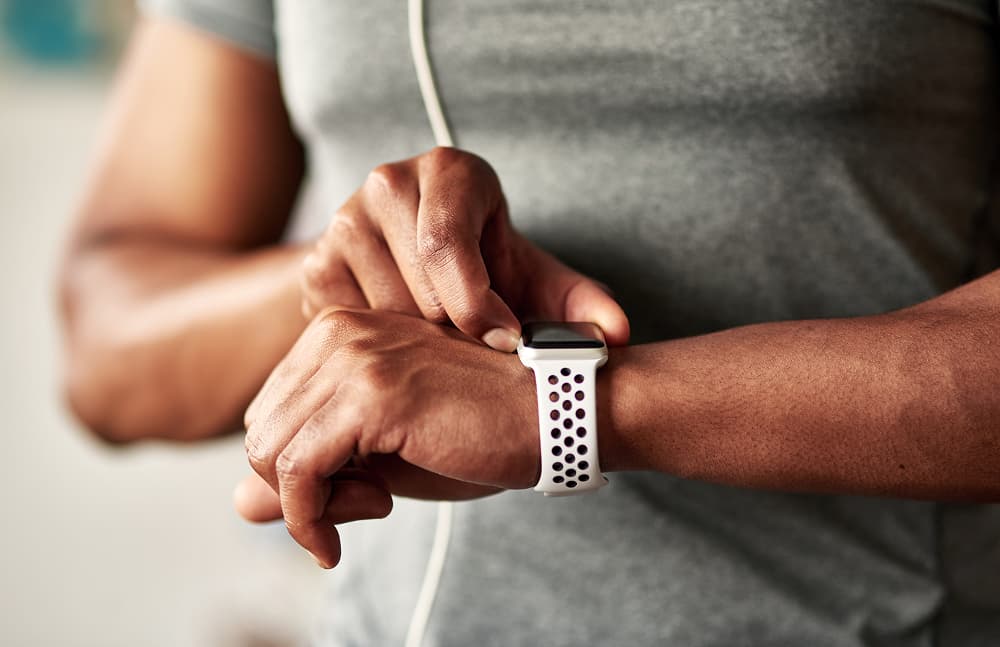
Wearables and digital monitoring tools in clinical trials can provide valuable insights across your study but require a thoughtful operational approach to manage the complexities of real-world data collection. We enable early engagement with key opinion leaders and patient registries to help you select endpoints that are clinically meaningful and align your study’s eligibility criteria with real-world patient populations.
Learn how we work to supplement traditional endpoints with digital endpoints in neuroscience, collaborate with vendors and develop exploratory endpoints that build toward primary endpoint validation and help transform your neuromuscular trial.




Frequently Asked Questions
-
What factors can influence the design of neuromuscular disease clinical trials?
Neuromuscular disease study design is influenced by factors such as disease rarity, progression rate, genetic variability and differences in symptom presentation among patients. Studies often require carefully selected endpoints, sensitive functional assessments, biomarkers and neuromuscular trial recruitment strategies to accommodate small patient populations. Long-term follow-up and ever-changing regulatory expectations may also shape neuromuscular study design, particularly for emerging therapies.
-
Why is patient identification challenging in neuromuscular clinical research?
Patient identification can be challenging because many neuromuscular diseases are rare and genetically diverse, with patients often dispersed across broad geographic regions. Delayed diagnosis, varying disease progression and strict eligibility criteria can further limit the pool of potential participants. Successful neuromuscular trial recruitment and enrollment often depend on early planning, access to specialized clinical sites, and effective engagement with the neuromuscular community.
-
How are digital technologies being incorporated into neuromuscular clinical trials?
Digital technologies are increasingly being used to enhance data collection and improve the participant experience in neuromuscular clinical trials. Wearable devices, electronic clinical outcome assessments (eCOAs), telehealth visits, remote monitoring and digital biomarkers can provide more continuous, real-world insights while reducing the need for frequent site visits. These approaches may also help improve patient compliance and capture disease progression more effectively.
-
What considerations are important for gene therapy studies in neuromuscular diseases?
Gene therapy studies involve unique scientific and operational considerations, including genetic testing, specialized product handling, immunogenicity monitoring and long-term safety follow-up. Because these therapies may produce durable or permanent effects, studies often require extended patient monitoring and careful planning around manufacturing, logistics and regulatory requirements. Selecting appropriate clinical sites and standardized procedures is also critical to study success.
-
What are the latest advancements in muscular dystrophy therapy?
Recent advancements in muscular dystrophy therapy include gene therapies, exon-skipping treatments, gene editing research and therapies designed to improve muscle function or slow disease progression. Clinical trials are also evaluating novel RNA-based therapies, combination approaches and treatments targeting additional forms of muscular dystrophy beyond Duchenne. As the therapeutic landscape evolves, clinical studies continue to play a critical role in evaluating long-term safety, efficacy and functional outcomes.
-
How effective is gene therapy for Duchenne muscular dystrophy?
Gene therapy has shown promising results for some patients with Duchenne muscular dystrophy (DMD), particularly through the delivery of micro-dystrophin genes designed to restore partial dystrophin protein production. While early clinical studies have demonstrated encouraging biological and functional outcomes, researchers continue to evaluate long-term durability, safety and clinical benefit. Ongoing clinical trials are helping to refine patient selection, optimize dosing strategies and better understand long-term treatment effects.
-
What challenges can arise in ALS clinical trials?
ALS clinical trials face several challenges due to the disease's rapid progression and variability between patients. Recruiting participants early in the disease course, selecting clinically meaningful endpoints, minimizing patient burden and maintaining participant retention throughout the study are all important considerations. Trial designs increasingly seek to balance rigorous data collection with approaches that improve accessibility and reduce demands on patients and caregivers.
-
Are there any recent advancements in ALS clinical studies?
ALS clinical research continues to evolve as new therapeutic approaches are evaluated, including gene-targeted therapies, antisense oligonucleotides, stem cell therapies and treatments aimed at slowing disease progression. Advances in biomarkers, digital monitoring and wearable technologies, along with adaptive trial designs, are also helping researchers collect more robust data and evaluate therapies more efficiently. These innovations are improving the design and conduct of ALS clinical trials while supporting the development of potential new treatment options.
Explore our therapeutic depth across the neuroscience spectrum
Neuroscience
Driving innovative advances in neuroscience studies
Neurodegenerative Diseases
Providing a patient-first perspective to advance research.
Pain
Get the support you need in complex pain clinical trials
Rare Neurological Disorders
Delivering specialized CRO experience in rare neurological disorders